Fruit brandy sold in supermarkets under private label is a food product typically containing around 40 degrees of alcohol, distinct from the 90° alcohol used for preservation. At Leclerc, this fruit brandy can be found in the spirits aisle and serves as a base for making liqueurs, fruit in brandy, or homemade flavored preparations.
Fruit brandy and 90° alcohol: two products, two uses
Confusion is common on cooking forums. The fruit brandy that Leclerc offers in bottles in the alcohol section is around 40 degrees. It is used to macerate whole fruits (pear, raspberry, quince) to obtain flavored liqueurs.
90° alcohol is a different product, sold in pharmacies or certain specialty stores, and intended for preservation or recipes requiring rapid extraction of flavors. The alcohol content directly affects the result: macerating in a 40° brandy yields a softer, fruitier profile, while 90° alcohol extracts more bitterness and tannins.
Experiences shared on culinary forums confirm this distinction. Several users on Marmiton indicate they prefer Leclerc fruit alcohol for your homemade liqueurs, as the result is said to be rounder than with a higher proof alcohol.
Alcohol content and raw material: what determines the quality of a brandy
The degree displayed on the label is only a partial indicator. The quality of a fruit brandy also depends on the raw material used during distillation and the manufacturing process (simple or double distillation, copper still or column still).
A private label brandy like Leclerc’s typically does not disclose the precise origin of the fruits or the type of still used. The product remains a neutral flavored alcohol or a generic brandy, which explains its significantly lower price compared to an artisanal Williams pear or mirabelle brandy.
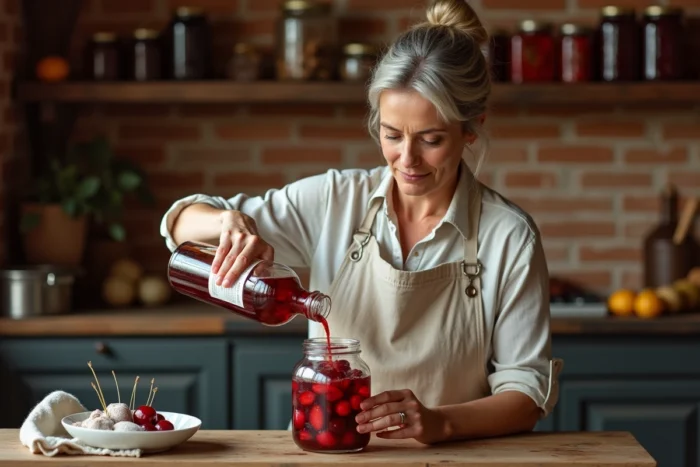
For homemade preparations where the macerated fruits provide most of the flavor (raspberry liqueur, cherries in brandy), this difference in finesse matters less. The fruit dominates the final aromatic profile, and the brandy mainly serves as a solvent and preservative.
On the other hand, for a recipe where the alcohol is consumed as is (pure digestif, trou normand), an artisanal brandy justifies the price difference.
Preservation of fruits in alcohol: duration and conditions
The shelf life of a homemade preparation based on fruit brandy depends on three parameters:
- The alcohol content of the product: the higher the degree, the longer the preservation, as alcohol inhibits bacterial growth.
- The fruit/alcohol ratio: a jar too filled with fruits and little liquid oxidizes faster on the surface, which can alter the taste.
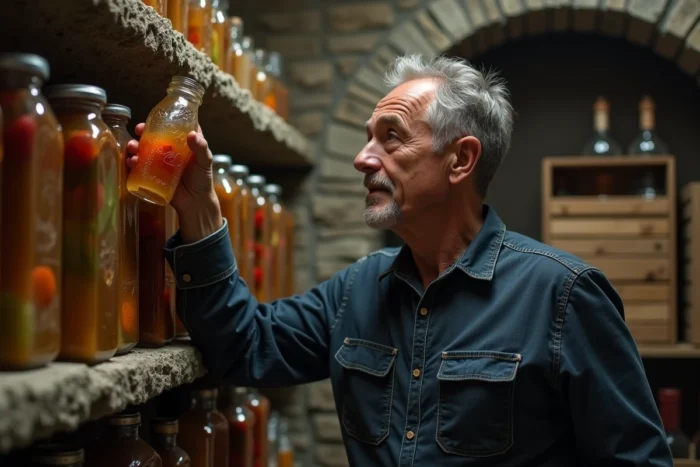
- The storage conditions: a cool place, away from direct light, extends the shelf life of the preparation by several months.
With a 40-degree brandy like the one sold at Leclerc, the preservation remains reliable for several months as long as these three parameters are respected. Preparations based on 90° alcohol last longer, but the taste compromise is real.
Added sugar and residual fermentation
The addition of sugar in the recipe (syrup, granulated sugar) alters the balance. An excess of sugar can trigger a micro-fermentation if the overall alcohol content of the mixture drops too low. For a sweet homemade liqueur, the final mixture should ideally remain above 20 degrees to ensure stability.
Recipes suitable for Leclerc fruit brandy
The 40-degree fruit brandy is particularly suitable for long macerations where the fruit infuses for several weeks. The most common recipes with this type of food product include:
- Raspberry liqueur: crushed fresh fruits, sugar, and brandy, maceration for four to six weeks, then filtration. The moderate alcohol content preserves the delicate aromas of raspberry.
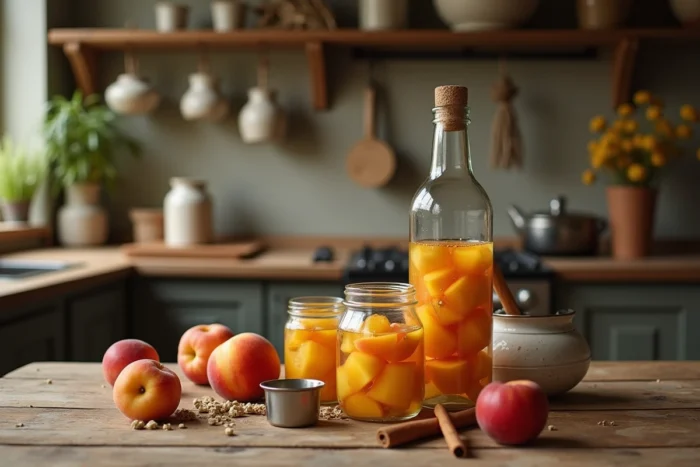
- Pear in brandy: whole fruits or quarters submerged in alcohol with a bit of sugar. The Williams pear is the classic fruit, but the conference pear works as well.
- Cherries in brandy: griotte or burlat, with or without pits. The pit adds a note of bitter almond after a few months of maceration.
- Walnut wine: green walnuts cut into quarters, macerated in a mixture of red wine and brandy, with sugar. The maceration duration varies from six weeks to three months.
In each of these cases, the quality of the fruits matters more than the brand of the brandy. Ripe, seasonal fruits harvested in France will yield a better result than a high-end alcohol paired with tasteless fruits.
Leclerc store and alternatives: where to find this product
Leclerc fruit brandy can be found in the spirits aisle of most stores in the chain. The product is not always listed online on the Leclerc shopping site, which requires checking availability in-store.
Alternatives exist at other retailers. Specialized brands like Noirot offer fruit alcohols with a more artisanal positioning and more detailed communication about the composition. The price is higher, but the degree and neutrality of the product are better documented.
For occasional homemade preparations (one or two recipes per season), Leclerc brandy offers a consistent quality-price ratio. Enthusiasts who produce liqueurs regularly benefit from comparing with offers from independent distillers, whose single-fruit brandies provide a clearer aromatic signature.
The final choice depends on the role that alcohol plays in the recipe. When the fruit does the work, supermarket brandy fulfills its function without unnecessary extra cost.