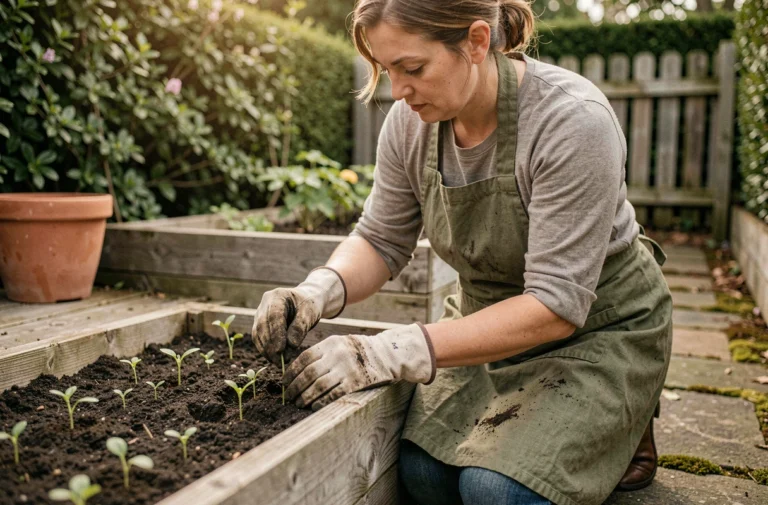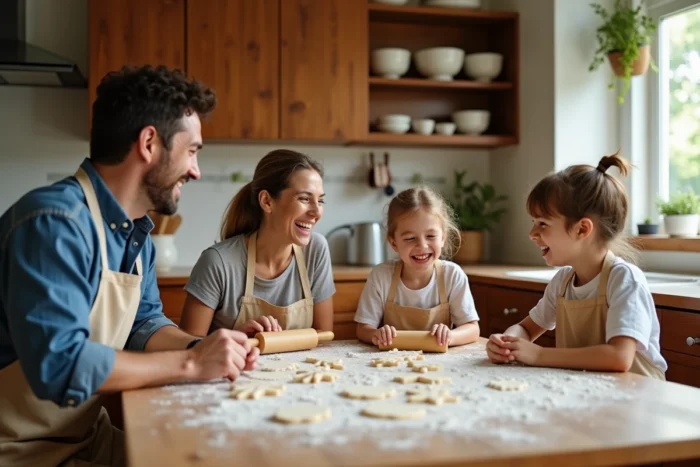
A lasting family memory relies less on the spectacular nature of an event than on the level of emotional involvement of each participant at the moment it occurs. Emotions act as amplifiers of memory: a simple activity experienced intensely leaves a deeper mark than an expensive outing passively endured. Therefore, creating unforgettable memories as a family is about working on the conditions of the experience, not its budget.
The role of active participation in creating family memories
The chosen activity matters less than how each member participates. A child who chooses the walking route, a teenager who decides the picnic menu, a grandparent who tells the story of the place: each member must have an active role for the moment to anchor in memory.
This involves the engagement of children from the preparation stage. Asking them to vote for the weekend activity, to draw the route, or to pack the bag creates a commitment that begins even before departure.
For those looking for concrete ideas for family activities suitable for different ages, you can consult the pages of Opus Media that address these themes from various angles.
This participation is not limited to children. Parents who put down their phones and fully engage in the game or conversation enhance the quality of the shared moment. Mutual attention is the first ingredient of a strong memory.
Recurring family rituals: why repetition anchors memories better
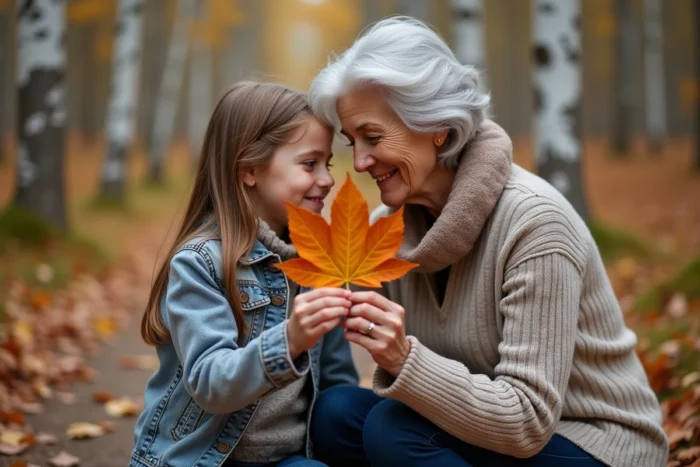
An exceptional outing can leave a lasting impression. A ritual repeated every week or season produces a different, often more powerful effect: it creates anticipation. A child who knows that Sunday mornings are reserved for pancakes and a walk in the same park develops an attachment to the setting, not just to the activity.
Repetition transforms a pleasant moment into a family tradition. And traditions have the advantage of surviving the years, as they become an identity marker for the family.
Some simple ritual formats to establish
- A weekly meal where each member takes turns choosing the recipe, from the starter to dessert, with collective participation in the kitchen
- A monthly micro-adventure near home (forest, river, hill) with a simple challenge like identifying three species of trees or photographing an animal
- A fixed evening moment, once or twice a week, dedicated to a board game, a read-aloud session, or watching a movie chosen together
The format matters less than the regularity. What makes these moments memorable is that everyone knows they will return and can project themselves into them.
Documenting family moments without falling into over-documentation
Photographing every moment of a family outing paradoxically produces the opposite effect of what is sought. Photos accumulate on the phone, are never sorted, and end up evoking nothing specific. Capturing a few intentional moments is better than filming continuously.
A more effective approach is to choose two or three moments per outing that deserve to be captured. The laughter during meal preparation, a child’s gaze in front of a landscape, the whole table at dessert time. These few photos, sorted and organized the same evening, become much more powerful memory anchors than an album of two hundred identical shots.
Transforming photos into tangible supports
A physical photo album that is regularly flipped through revives memories much more strongly than a digital folder. Children love to touch, show, and comment. Printing a selection of photos after each vacation or season, and letting the children stick and caption them, constitutes a family activity that extends the memory instead of freezing it.
Including toddlers and grandparents in family activities
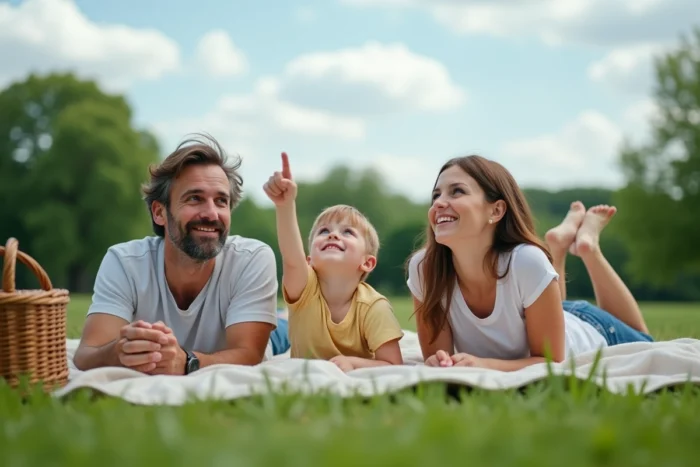
Waiting for a child to be five or six years old to take them out “because they won’t remember” confuses explicit memory with the building of bonds. Toddlers may not remember the details of a walk in the forest, but the habit of spending time together shapes their sense of emotional security.
Short, repeatable activities suited to their pace (collecting leaves, splashing in a stream, observing insects) are more than sufficient. The ideal duration for a toddler rarely exceeds one hour.
On the grandparents’ side, the multigenerational dimension significantly enriches the experience. Cooking a recipe passed down by an ancestor, listening to a childhood story, visiting a place steeped in family history: these moments weave bonds between generations that children identify as foundational as they grow up.
- Adapt the duration and intensity of the activity to the least enduring member of the group, not the most athletic
- Plan specific roles for each generation (grandparents tell stories, parents organize, children explore)
- Accept that the pace may be slow: it is in the downtime that the most meaningful conversations occur
The memories most often cited by adults are not distant travels or grand celebrations. They are the quiet mornings, aimless walks, the meals where everyone was present. Regularity and shared attention build more than a one-off event. Focusing on accessible rituals, involving everyone in the choices, and keeping a few well-chosen traces of these moments is enough to set this framework.