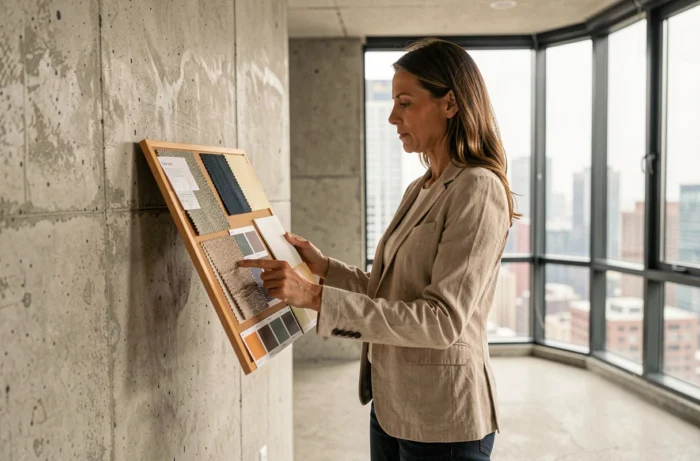
The decoration of a property intended for sale does not depend on personal taste. It is a lever for real estate valuation that, if poorly calibrated, can mask structural defects or, worse, distract from regulatory constraints that the buyer will discover sooner or later. Successfully completing a real estate project through decoration requires mastering both aesthetic finishing work and the regulatory framework surrounding the transaction.
DPE, energy audit, and decoration: what home staging cannot correct
A decorative refresh does not change the energy rating of a property. Painting, flooring, new kitchen backsplash: these finishing interventions do not affect thermal insulation, heating systems, or ventilation. The DPE remains unchanged after simple home staging.
Before investing in interior decoration, we recommend checking the actual validity of the energy performance diagnosis. An old DPE may be invalid even if it has not reached its theoretical duration of ten years, especially if it was carried out according to an earlier calculation method.
For individual homes rated F or G, a regulatory energy audit has been required since April 1, 2023. Properties rated E have been affected since January 1, 2025. This audit presents the buyer with quantified energy renovation scenarios. A carefully designed interior that conceals the thermal weaknesses of the building creates a stark contrast between the visual impression and the content of the diagnostic report.
Specifically, if you are considering repainting and refurnishing to speed up the sale, start by reading the audit. Identify the priority work areas (attic insulation, window replacement, mechanical ventilation). Only then should you allocate the decoration budget based on what remains to be invested in energy. Many sellers following Les Embellies Déco’s real estate advice incorporate this sequence into their valuation plan to avoid spending in the wrong direction.
Choice of decorative materials and consistency with renovation work
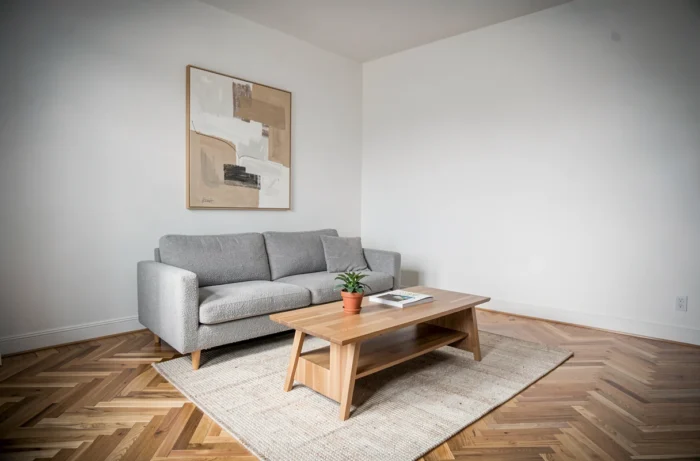
A poorly chosen decorative material can negate the effect of energy renovation. For example, installing PVC paneling on a wall that has just been insulated from the inside alters the hygrometric behavior of the wall. Similarly, replacing single glazing with high-performance double glazing and then hanging thick blackout curtains prevents passive solar gain in winter.
We observe three recurring mistakes in decoration projects related to a sale:
- Applying a thick decorative coating on walls where moisture has not been addressed, trapping water vapor and degrading the insulation within months.
- Installing engineered wood flooring without appropriate acoustic underlayment in an apartment subject to co-ownership regulations, which exposes one to post-sale disputes.
- Opting for a high-end fitted kitchen in a G-rated property, when the budget could have funded a thermodynamic water heater and improved the DPE rating by one to two letters.
The interior layout should extend the renovation work, not contradict it. An informed buyer will notice the dissonance between a well-designed decor and an outdated electrical panel or single-glazed windows.
Prioritize high-impact rooms on perceived value
The kitchen and bathroom concentrate the majority of perceived value during a visit. A clean laminate countertop, re-grouted tiles, and recent fixtures are often enough to radically change the overall impression.
Focusing the decoration budget on the kitchen and bathroom yields more than a makeover spread across all rooms. Living spaces (living room, bedroom) benefit mainly from rigorous decluttering and a neutral color palette, interventions whose cost remains marginal.
Natural and artificial light: an underutilized lever in real estate valuation
Light transforms the perception of volumes more effectively than any piece of furniture. A well-lit space appears larger, healthier, and more inviting. Competitors mention brightness without detailing the method. Here’s what makes the difference in practice.
Each room should combine at least three light sources: general lighting (ceiling light or pendant), functional lighting (under-cabinet spotlights in the kitchen, reading lamp in the bedroom), and ambient lighting (table lamp, indirect LED strip). This layering creates depth and highlights the volumes.

For natural light, the decoration work consists of not obstructing it. Replace opaque drapes with roller blinds that free up the entire glazed surface when raised. Avoid placing tall furniture in front of windows. A mirror positioned opposite a source of natural light redistributes brightness to the back of the room at no energy cost.
Color temperature and home staging
In home staging, we prefer bulbs between 2,700 K and 3,000 K for living areas, and around 4,000 K for the kitchen and bathroom. A consistent color temperature in each room avoids the patchwork effect that betrays a haphazard layout. Visitors may not always articulate this feeling, but a lack of lighting coherence generates a diffuse discomfort that weighs on the purchasing decision.
Decoration and real estate photography: preparing the property for the listing
The first visit takes place online. The listing photos determine the number of physical visits. However, an interior decorated to be pleasant to live in does not necessarily produce good photos.
Reflective surfaces (mirrors, glossy countertops, shiny tiles) create distracting reflections in flash photography. Dark colors absorb light and reduce contrast in images. An accent wall in a medium tone (warm gray, sage green, light terracotta) photographs better than a pure white wall, which tends to overexpose and flatten architectural details.
Before the photo shoot, remove small everyday items (cleaning products, chargers, mail). Arrange one or two staging elements per shot: a vase with dry branches, a stack of books, a green plant. The goal is to suggest a lifestyle, not to showcase your own.
Decoration in service of a real estate project is not just about making it pretty. It articulates aesthetics, technical constraints, and regulatory reality. A property whose decor is consistent with its DPE, whose materials respect the existing structure, and whose lighting enhances every square meter sells faster and at the expected price.