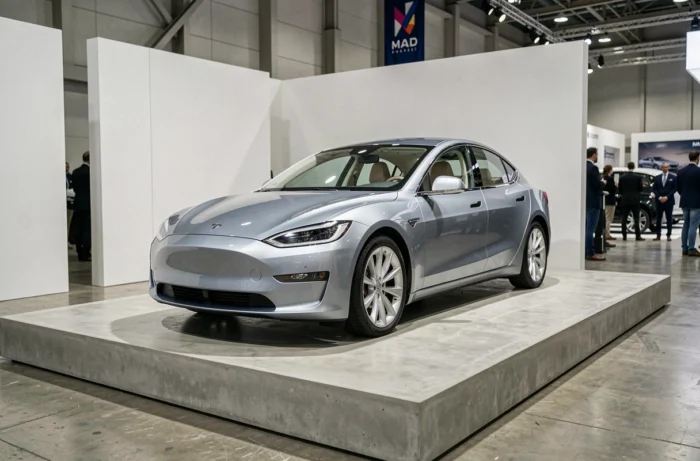
The year 2024 marks a turning point for the European automotive sector. Innovations are no longer limited to model launches: a set of regulations adopted or coming into effect redefines what a vehicle must include, how it is manufactured, and what happens to it once it is out of service.
Euro 7 Standard: What the New Framework Changes Regarding Emissions
The Euro 7 framework was adopted in 2024 and shifts the focus compared to previous standards. The regulation no longer solely concentrates on exhaust gases. It includes non-exhaust emissions (brakes, tires) and imposes sustainability requirements throughout the lifecycle, including for the batteries of electric and hybrid vehicles.
For manufacturers, this approach requires rethinking the value chain from the design stage. A Euro 7 compliant vehicle must prove that its components, particularly the battery, maintain their performance over a much longer duration than before.
Drivers will not see an immediate change behind the wheel. However, models marketed from the full entry into force will need to display new technical guarantees, which could result in price adjustments in certain segments. Several analyses published on the Scoopify automotive site detail the impact of these standards on the French market.
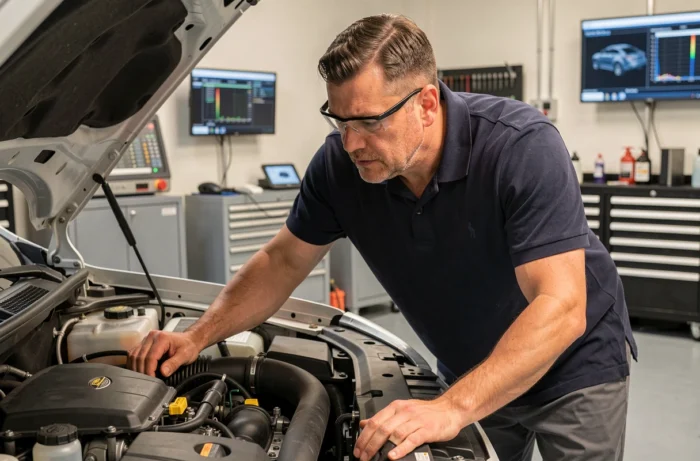
Vehicle Circularity: The European Regulation Redefining Automotive End-of-Life
The European Union has adopted a new regulation on vehicle circularity, aimed at replacing and modernizing the existing framework for end-of-life vehicles. This text goes beyond simple post-destruction recycling.
Three main axes structure this regulation:
- Design obligations facilitating the disassembly and reuse of parts, imposed from the manufacturer’s design office.
- The introduction of a digital vehicle passport, which ensures complete traceability of the materials used throughout the lifecycle.
- Recycled content requirements, obliging manufacturers to integrate a defined proportion of recycled materials into new models, with extended producer responsibility.
This digital passport represents a breakthrough. Each vehicle will have an identity card detailing the origin of its components. For recycling streams, this traceability will allow for the extraction and valorization of materials with unprecedented precision.
The automotive subject thus shifts from mere product innovation to resource management. A manufacturer that cannot document the composition of its vehicles will lose access to the European market.
Mandatory Onboard Safety: ADAS and Driver Monitoring
The GSR2 (General Safety Regulation 2) mandates the gradual introduction of new driver assistance systems on all new vehicles sold in Europe. Among the concerned devices are the automatic emergency braking with pedestrian detection, driver distraction monitoring, and next-generation tire pressure monitoring.
The next phase, expected by mid-2026, will add active monitoring of driver attention (ADDW, Advanced Driver Distraction Warning) and expanded autonomous braking. These systems use interior cameras to detect drowsiness or inattention and intervene if the driver does not respond.
What This Means for Drivers
Purchasing a new vehicle in 2024-2025 already includes several of these features. ADAS are no longer an option but a regulatory prerequisite. In the used car market, the gap in equipment between a recent model and one prior to this regulation will widen, which could influence the depreciation of older vehicles.
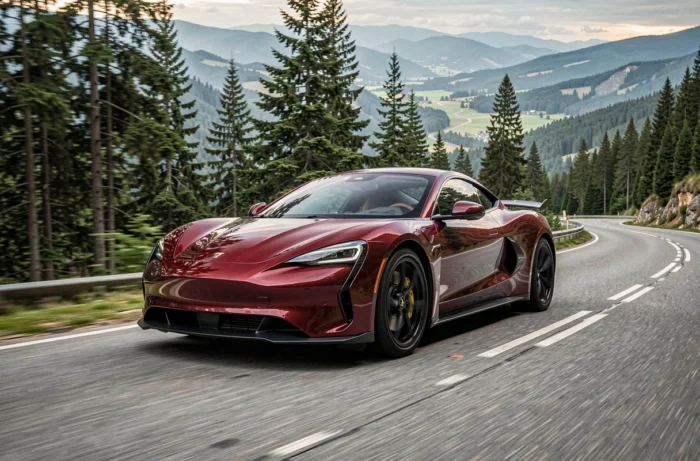
Electric Vehicle Market in Europe: A Setback That Nuances the Narrative
While the dominant discourse presents electrification as a linear progression, the European electric vehicle market experienced a setback in 2024 in a context of relatively stable global markets. This slowdown highlights significant national disparities.
Several factors explain this inflection:
- The reduction or elimination of certain purchase incentives in key markets like Germany.
- Still high list prices in the most popular segments among consumers.
- An insufficient supply of affordable models in the face of demand from budget-constrained households.
Manufacturers who had bet on a rapid shift to higher-end models now face a market demanding accessible electric vehicles. Tesla, Renault, and Chinese brands are adjusting their strategies, but the transition is taking longer than expected in the mid-price segment.
Hybrids: An Alternative Gaining Ground
In response to this slowdown in pure electric vehicles, hybrid and plug-in hybrid powertrains are capturing an increasing share of sales. For drivers who do not have easy access to charging or whose budget does not allow for a 100% electric vehicle, hybrids represent a functional compromise.
The Euro 7 framework also applies to hybrids, pushing manufacturers to improve the durability of the electric components of these powertrains. Hybrids in 2024 are no longer a temporary middle ground but a fully-fledged category in the ranges of French and European brands.
The automotive landscape in 2024 is shaped as much by its regulations as by its models. The digital passport, Euro 7, and mandatory ADAS create a vehicle designed to last, traceable from its manufacturing to its deconstruction, and equipped with safety systems that no longer depend on the buyer’s choice.